THE PROS AND CONS OF USING AN INFLATABLE FISHING BOAT FOR BACKCOUNTRY TRIPS
INTRODUCTION
For the dedicated angler, the term “backcountry” evokes images of untouched waters, crystalline alpine lakes, and winding rivers far removed from the clamor of boat ramps and crowded shorelines. These remote locations offer the ultimate reward: solitude and the opportunity to engage with trophy-sized fish that have rarely seen an artificial fly or lure. However, the greatest barrier to reaching these pristine waters is often the very geography that keeps them protected. Carrying a traditional hard-shell boat, even a lightweight canoe or kayak, is physically impossible over miles of rugged, uneven, and often vertical terrain.
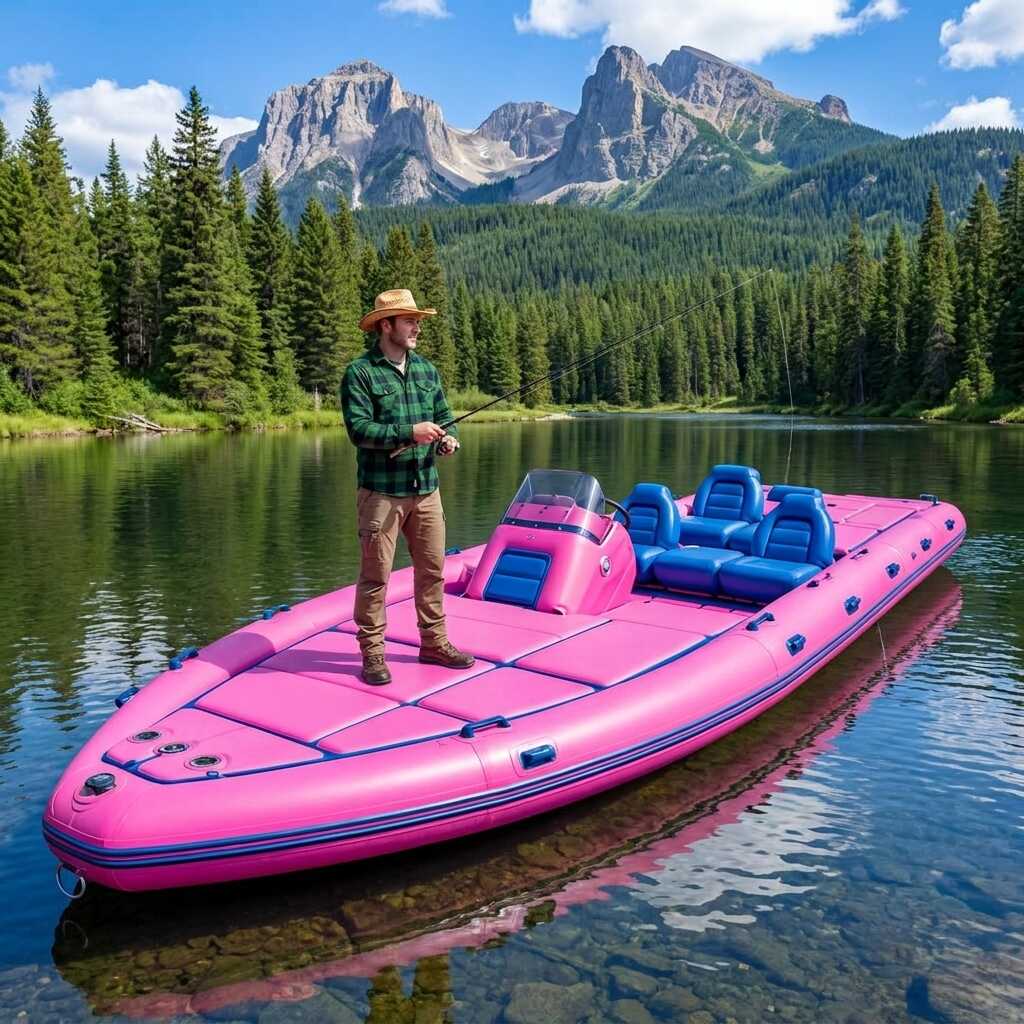
This is where the inflatable fishing boat has revolutionized the backcountry angling experience. By bridging the gap between portability and performance, these crafts allow adventurers to carry their vessel in a backpack, inflating it only when they reach the water’s edge. Yet, opting for an inflatable craft is not a decision to be made lightly. It represents a trade-off between the convenience of transport and the inherent limitations of materials and handling. To understand if this gear is the right choice for your specific expedition, one must weigh the practical implications of utilizing an inflatable fishing boat against the harsh realities of remote wilderness travel. This article examines the nuanced balance of mobility, durability, and tactical utility inherent in using an inflatable fishing boat for deep backcountry exploration.
THE ADVANTAGES: UNLOCKING REMOTE WATERS
The primary allure of the inflatable platform is simple: accessibility. When your fishing destination requires hiking three, five, or ten miles away from the nearest gravel road, you are limited by what you can carry.
Unmatched Portability and Ease of Transport
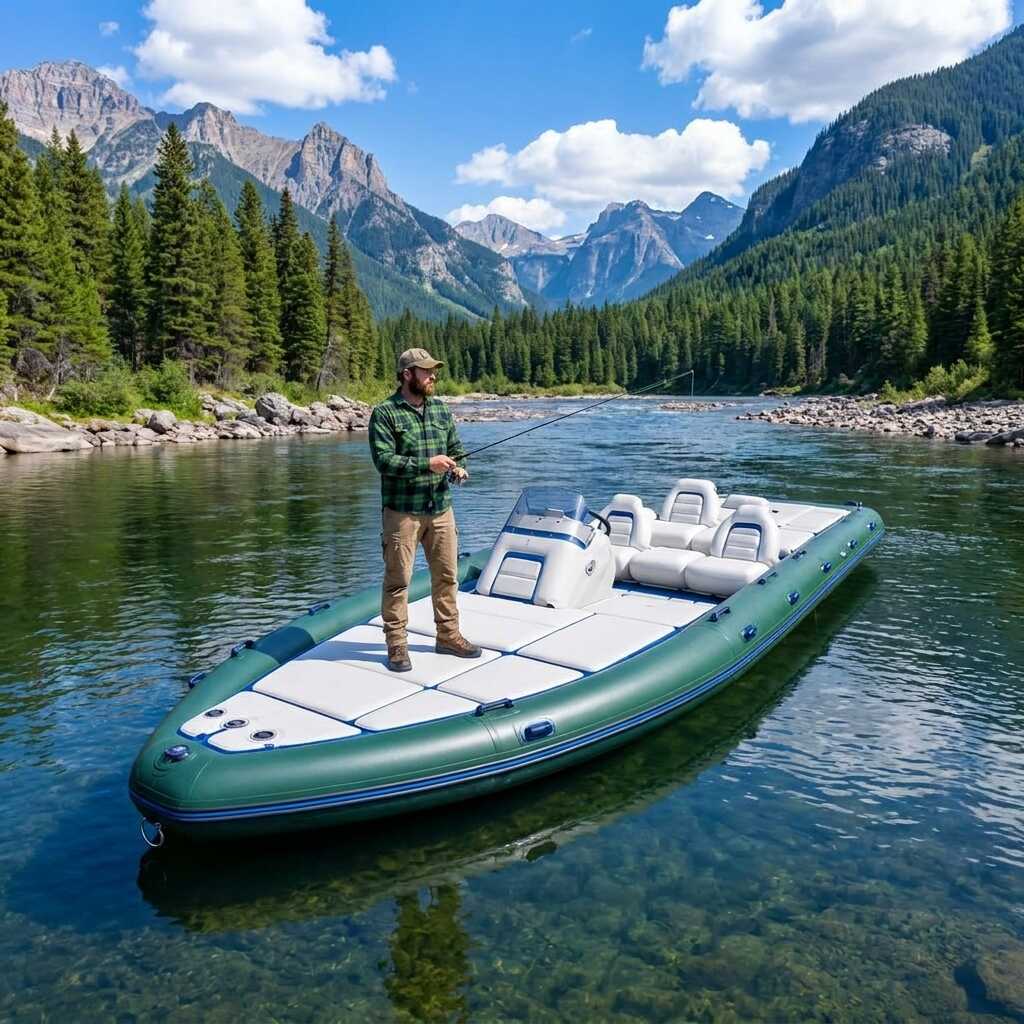
The defining advantage of an inflatable fishing boat is its footprint when deflated. Modern designs—ranging from high-end packrafts to modular inflatable pontoon setups—can be rolled or folded into a size that fits comfortably within or strapped to the outside of a technical hiking pack. This portability democratizes access to remote waters. Suddenly, an alpine lake that once required a complex shuttle or a long hike around the perimeter becomes a target for a full-day fishing mission. You are no longer tethered to the shoreline, which is often dense with brush or steep, making it difficult to find a clear casting lane.
Stealth and Environmental Sensitivity
Watercraft can be inherently intrusive. Hard-shell boats, particularly those with aluminum or fiberglass hulls, generate significant noise when they strike rocks or even when they move through the water. An inflatable fishing boat, however, is inherently quieter. The material—typically high-denier PVC or TPU—dampens sound remarkably well. Furthermore, inflatables have a very shallow draft. This allows you to drift across skinny water that would beach a traditional canoe, allowing you to slip into the backwaters of a delta or the tail-end of a pool without alerting the fish to your presence.
Stability and Safety in Diverse Conditions
Contrary to the perception that inflatables are “toys,” high-quality models designed for backcountry use are incredibly stable. Because these boats sit on the water rather than cutting into it, their secondary stability is often superior to narrow kayaks. For an angler standing up or making a long, reaching cast, this stability is a massive asset. Furthermore, the buoyancy provided by multiple air chambers acts as a redundant safety system. If one section of the boat is compromised, the remaining chambers are usually sufficient to keep the craft and the angler afloat until they reach the shore.
THE DISADVANTAGES: THE REALITIES OF THE WILD
While the benefits of the inflatable fishing boat are significant, the backcountry is an unforgiving environment. Relying on an inflatable craft necessitates a shift in expectations and preparation.
Vulnerability to Sharp Hazards
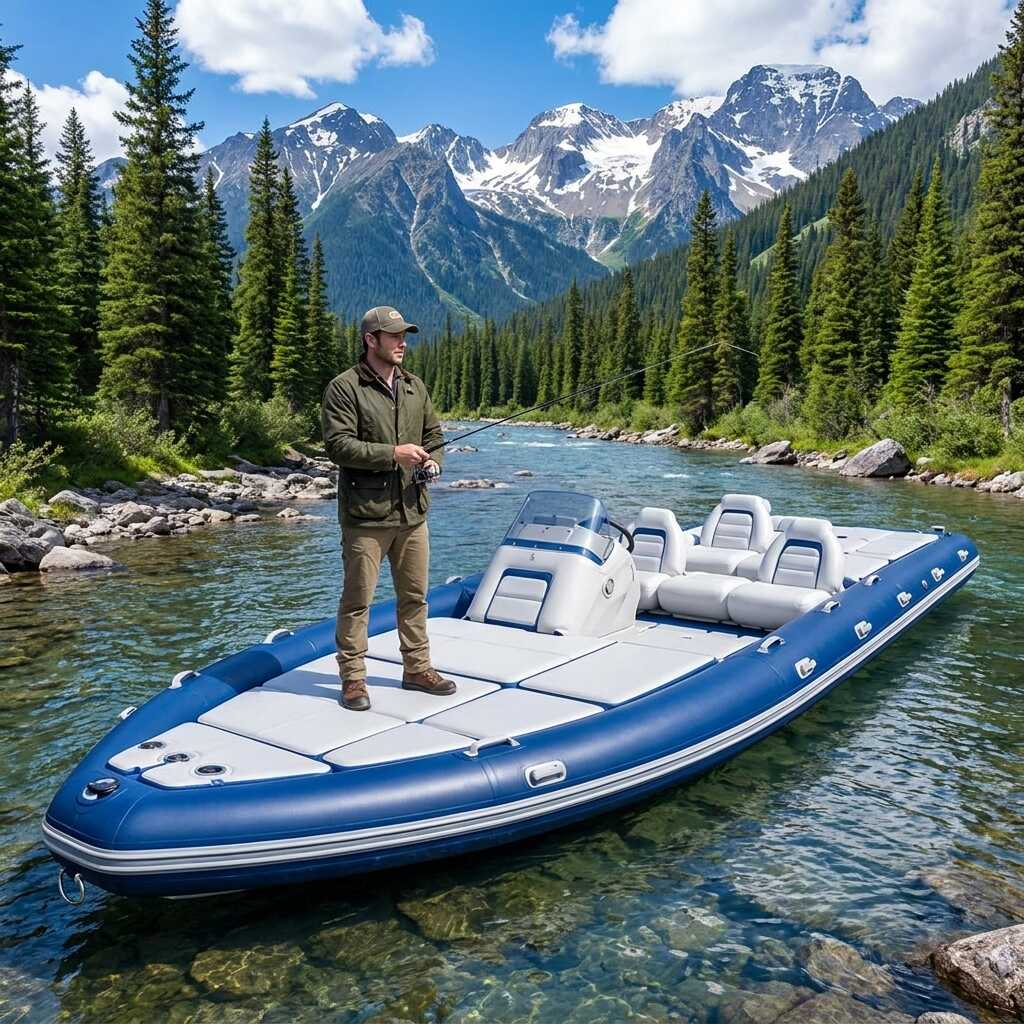
The most glaring disadvantage is the material composition. The backcountry is filled with jagged granite, submerged deadfall, sharp thorns, and unpredictable debris. While modern fabrics like reinforced drop-stitch or urethane-coated nylon are durable, they are not immune to punctures. An angler must always carry a comprehensive repair kit and, more importantly, have the knowledge to perform a field repair in cold or wet conditions. This creates a constant, low-level anxiety that is absent when fishing from a rigid-hull craft.
Performance Limitations in Wind and Current
Physics dictates that the same lightness that makes an inflatable fishing boat easy to pack also makes it susceptible to the elements. Because these boats have high buoyancy and often lack a deep keel or tracking fin, they can be difficult to manage in high winds. If a sudden afternoon squall hits an alpine lake, an inflatable boat can behave like a leaf, blowing across the water with little regard for your intended path. In moving water, their tendency to “grab” the current can lead to difficult handling in rapids or complex eddies. The angler must be a more active pilot, constantly compensating for the boat’s lack of inertia.
The Logistics of Setup and Breakdown
Transitioning from hiking mode to fishing mode is not instantaneous. Pumping up a boat requires significant energy—a resource that is precious during a high-elevation trek—and once the day is over, the breakdown process can be tedious. A wet, muddy boat is heavy and difficult to pack efficiently. If you are exhausted after a ten-mile hike, the last thing you want to do is dry, clean, and deflate a craft. If not properly dried, moisture can lead to mold or mildew, and packing it away wet can be a recipe for disaster if you have a long journey home.
TACTICAL CONSIDERATIONS FOR THE BACKCOUNTRY ANGLER
To successfully integrate an inflatable fishing boat into your trips, you must view the boat as part of a larger ecosystem of gear and strategy.
The Importance of Weight Management
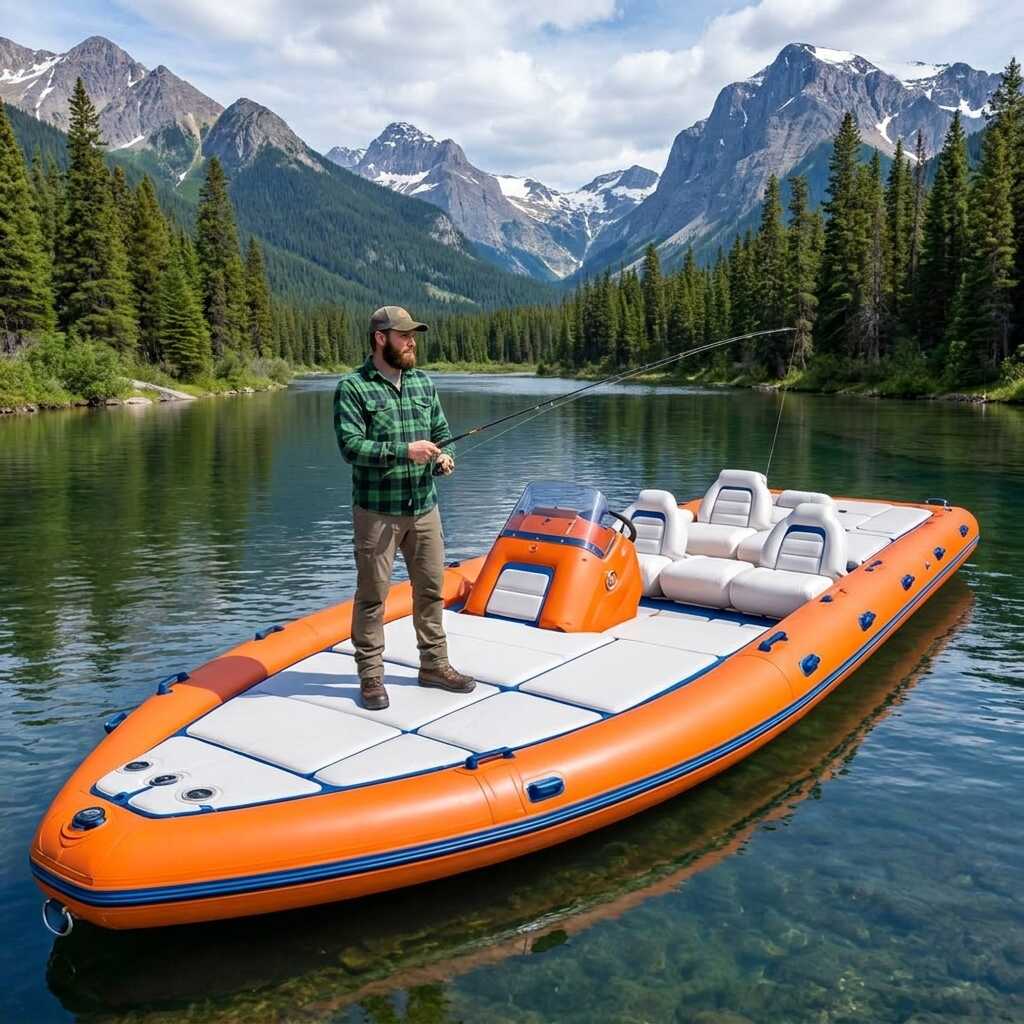
Every ounce counts in the backcountry. When selecting a boat, the weight of the craft must be weighed against the weight of your fishing gear, camping supplies, and food. An ultralight packraft might weigh only seven pounds, but if it lacks the capacity to hold your fishing rods, tackle, and landing net securely, it fails its purpose. The modern backcountry angler must find the “Goldilocks” zone: a boat substantial enough to be functional and safe, but light enough that it does not compromise the hike itself.
Skillset and Preparedness
Operating an inflatable fishing boat in remote waters requires more than just the ability to paddle. It requires a baseline knowledge of hydrology and an acute awareness of your surroundings. You must be able to read the water, identify potential puncture hazards, and understand how your craft will react to the conditions. Furthermore, carrying a PFD (Personal Flotation Device) is non-negotiable. Many backcountry anglers opt for an inflatable PFD to save space, but you must ensure it is reliable and serviced. Being miles from help means that your self-rescue capability is the only insurance policy you have.
CONCLUSION
The use of an inflatable fishing boat for backcountry trips is a quintessential exercise in trade-offs. It is a tool that expands your horizons, transforming unreachable, distant lakes into your personal sanctuary. It offers a level of intimacy with nature that few other methods of travel can provide, allowing you to drift silently through waters that remain untouched by the masses. The convenience of carrying your vessel in your pack is an unparalleled freedom for the explorer.
However, this freedom comes at the price of vigilance. You accept the risk of potential equipment failure, the challenge of managing a craft in volatile weather, and the physical toll of setup and breakdown. For the angler who is patient, prepared, and willing to embrace these challenges as part of the adventure, the reward is often unmatched. You aren’t just fishing; you are engaging in a specialized form of exploration where the journey to the water is just as significant as the catch itself.
Ultimately, whether an inflatable fishing boat is the right choice for your backcountry trip depends on your tolerance for risk and your commitment to logistics. If you prioritize access over ease and are willing to master the nuances of your gear, the backcountry will open up in ways you never thought possible. If, however, you prefer a “grab and go” experience with zero maintenance, you may find that the traditional, less portable options are better suited for your local, accessible waters. For those who choose to carry their own path into the wild, the boat becomes more than just a vessel; it becomes the key to the next great adventure.