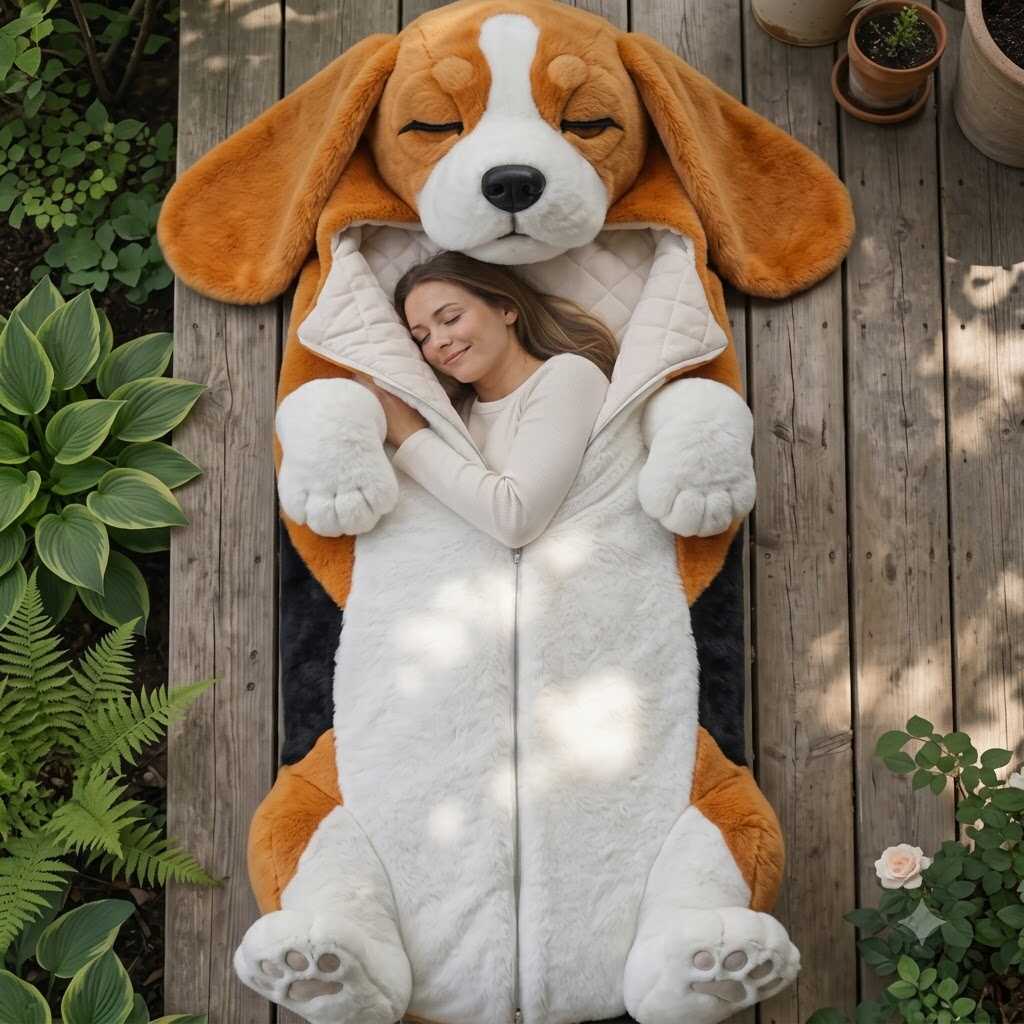
Anyone who has ever watched a cat circle a blanket three times before flopping down knows that comfort, for a feline, is a very specific science. It’s not just about softness. It’s about shape, warmth retention, texture, and even smell. That’s the puzzle the design team behind Luxartnet Cat Shaped Sleeping Beds set out to solve, and the answer turned out to involve a lot more craftsmanship than most people would expect from something that looks, at first glance, like a simple pillow with ears.
I spent some time digging into how these beds actually come together, from the first spool of fiber to the final stitched whisker, and the process is a genuinely interesting mix of textile engineering, ergonomic research, and old-fashioned handwork.
It Starts With the Fiber, Not the Fabric
Most people assume a pet bed begins with a pattern — some fabric cut into a cat-shaped silhouette and sewn together. In reality, the process starts one step earlier, with fiber selection. The outer shell of a Luxartnet bed typically uses a blend of long-staple cotton and a small percentage of recycled polyester microfiber. Long-staple fibers are chosen specifically because they resist pilling, which matters enormously when the fabric is going to be kneaded, scratched, and slept on daily for years.
The choice of fiber blend also affects breathability. Cats regulate their body temperature differently than humans, and a bed that traps too much heat will actually get abandoned by the animal rather quickly. So the fabric testing phase involves checking airflow through the weave under simulated body heat, something you’d expect from performance sportswear more than from a novelty-shaped cat bed.
Designing the Shape: Ergonomics Meets Whimsy
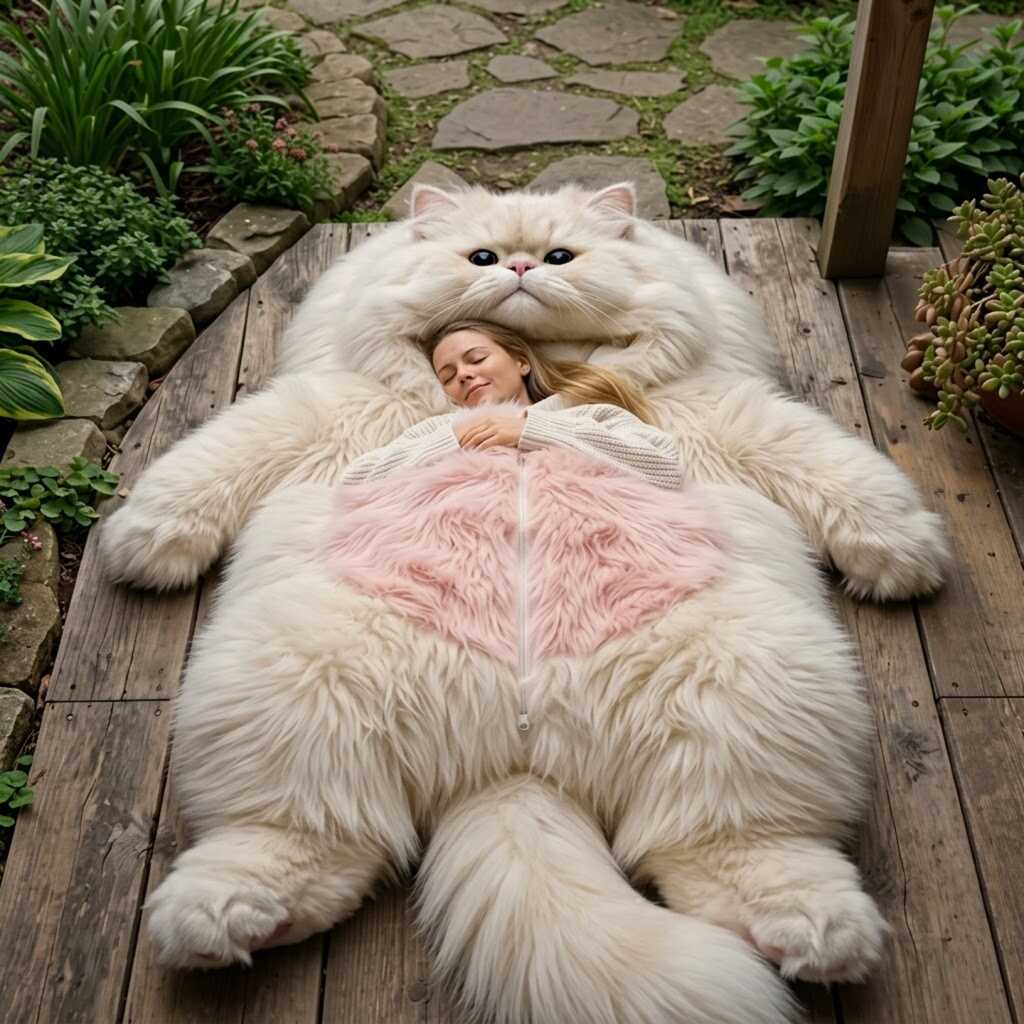
The “cat-shaped” part of the design is where things get genuinely playful, but it’s also more technical than it looks. Designers work from anatomical reference sketches of resting cat postures — the classic loaf position, the curled tail-wrap, the sprawled belly-up stretch — and use those postures to determine where extra padding needs to sit and where the shell needs to flex.
The ears, tail, and paw details aren’t purely decorative either. They’re engineered as structural anchor points. A stiffened wire or molded foam insert often runs through the ear shapes to help them hold form after repeated washing, while the tail section is usually filled with a denser foam core so it doesn’t collapse flat and lose its silhouette after a few months of use.
Pattern-making happens digitally first. Designers use CAD-based pattern software to map out the two-dimensional pieces that, once cut and sewn, will fold into the three-dimensional cat shape. This step alone can take dozens of iterations, since a shape that looks charming on screen doesn’t always translate into something structurally sound in stitched fabric.
Cutting and the Role of Precision
Once a pattern is finalized, fabric cutting begins. Some smaller batches are still cut by hand using templates, especially for limited or seasonal designs, but most of the production relies on automated cutting tables that use a rotating blade guided by the digital pattern file. Precision here matters more than you’d think — even a few millimeters of inconsistency in a curved ear panel can throw off the symmetry of the finished bed.
Interfacing material, a stabilizing layer sewn between the outer fabric and the lining, gets added at this stage too. It’s what keeps the bed’s shape crisp instead of floppy, particularly around structured areas like the raised rim that cats tend to lean against while curling up.
The Stuffing Process: More Than Just Filling
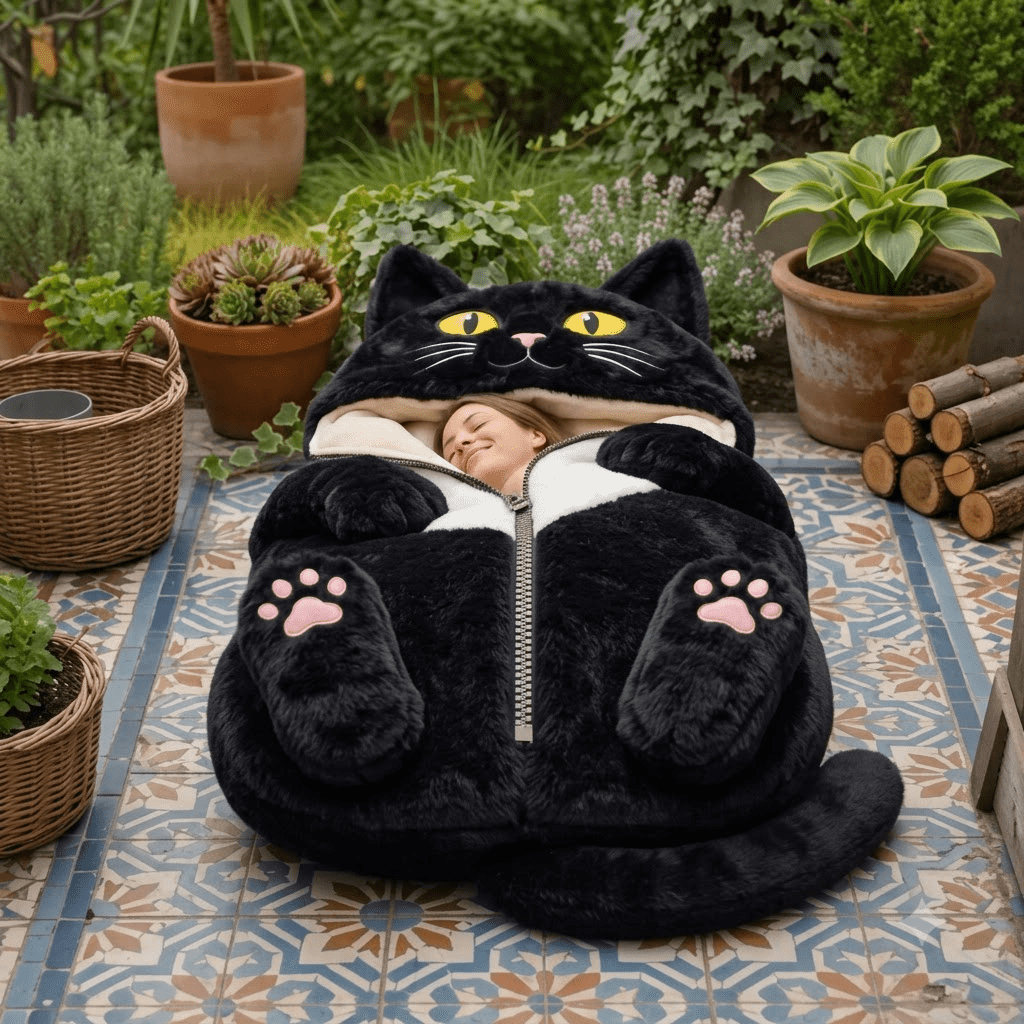
Filling is where a lot of the comfort engineering actually lives. Luxartnet beds generally use a layered fill system rather than a single uniform stuffing. The base layer, closest to the outer shell, tends to be a firmer polyester fiberfill that holds the overall shape. Above that sits a softer, more compressible fill designed to contour under the cat’s weight.
Filling by hand remains common, particularly for the head and ear sections, because machine-stuffing tends to overpack small curved areas and distort the shape. Workers use a technique similar to plush toy stuffing, working fiber into corners with a blunt tool to avoid lumps while keeping the density even throughout.
Some versions incorporate a washable inner cushion insert, which required its own separate design process. Removable inserts need reinforced seams and a zipper or opening that can withstand repeated washing cycles without weakening, which is a different engineering challenge than a sealed, one-piece cushion.
Stitching, Reinforcement, and Quality Checks
Sewing a shaped bed is more demanding than sewing a flat cushion because of the number of curved seams involved. Double-stitched seams are standard along stress points — the base of the tail, the inner ear folds, and the rim where a cat’s claws are most likely to catch during kneading. Bar-tacking, a reinforcement stitch normally used in denim and outdoor gear, is often applied at these high-stress junctions to prevent seam failure over time.
After assembly, finished beds typically go through a quality inspection that checks seam strength, filling consistency, and shape retention. Some inspection processes even include a “compression test,” where the bed is pressed down repeatedly to simulate months of use, checking whether it springs back to its original shape afterward.
Finishing Touches
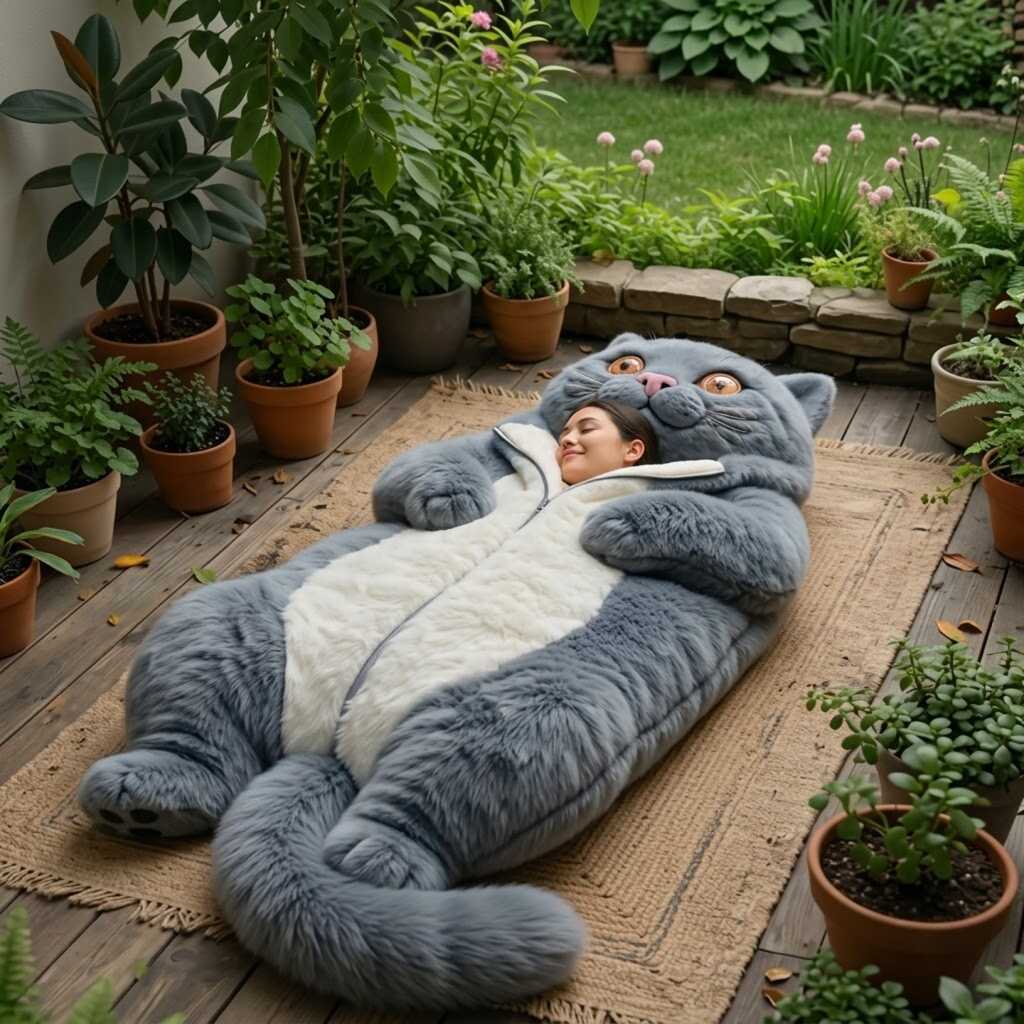
Small design elements — embroidered eyes, a stitched nose, and Whisker Details — are usually added near the end of production. These aren’t cut from separate fabric pieces glued on top; they’re embroidered directly into the shell fabric before final assembly, which makes them far more durable and safer for cats that like to bite or paw at their bedding.
A final grooming step involves brushing the exterior fabric to remove any loose fibers from cutting and sewing, followed by a lint and thread inspection. It’s a surprisingly meticulous final stage for what is, ultimately, a bed shaped like an animal.
Why the Process Matters
It’s easy to look at a novelty pet bed and assume it’s a simple, mass-produced item. But the layered fiber choices, the anatomical research behind the shape, the reinforced stitching at stress points, and the hand-finished details all point to a manufacturing philosophy that treats comfort as something worth engineering carefully, not just aesthetically.
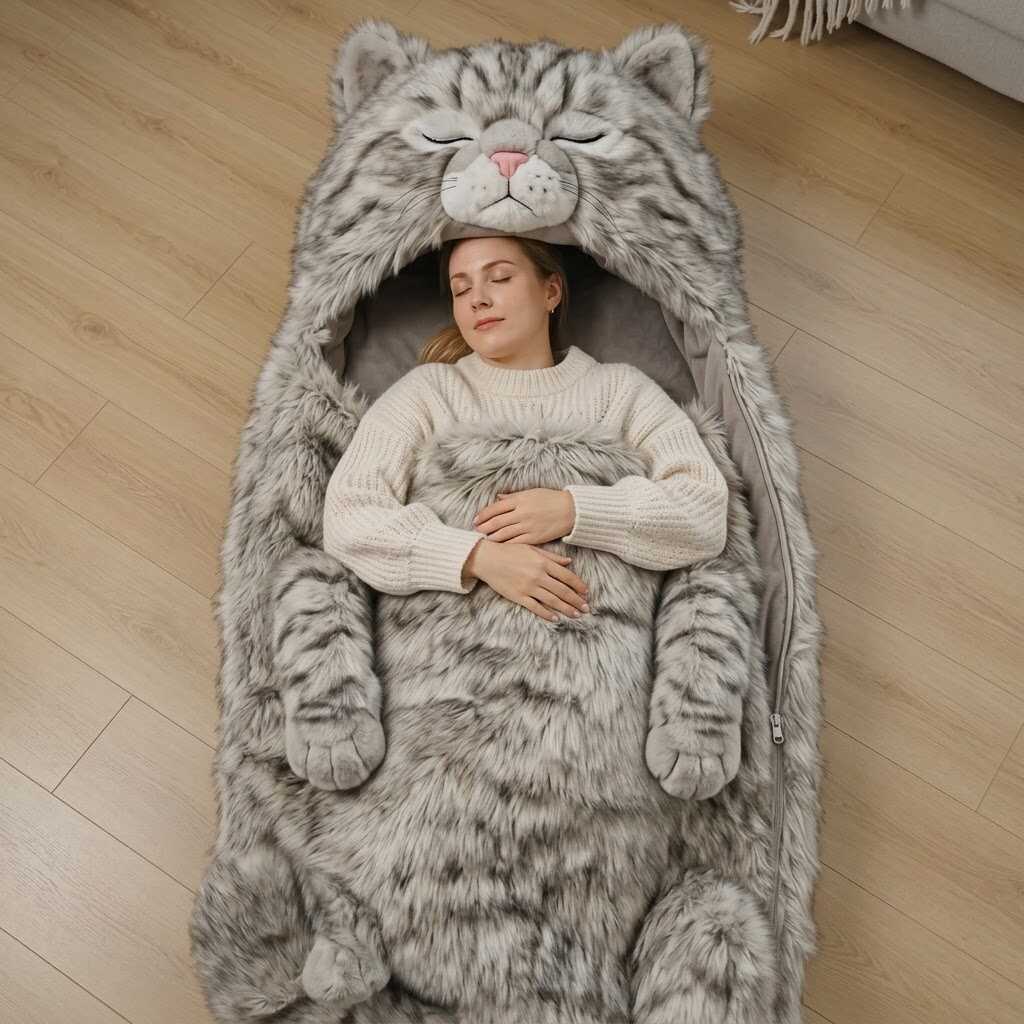
For anyone curious about textile design, the Luxartnet Cat Shaped Sleeping Beds manufacturing process is a small but genuinely interesting case study in how form and function get balanced when the end user can’t tell you in words what feels comfortable — only through how long they choose to nap in it.
Final Thoughts
What stands out most about this whole process isn’t any single technique — it’s how many different disciplines quietly overlap in one small product. Pattern design, structural engineering, textile science, and even a bit of feline behavioral observation all come together before a single bed is finished. It’s a reminder that even the coziest, most whimsical-looking objects often have a surprisingly deliberate process behind them, built one layer, one seam, and one carefully stuffed ear at a time.